
Customers today expect more than just accessibility. They want fast, personalized, and consistent support, whether they call, email, or ask a question via WhatsApp. That’s why more and more organizations are switching to an omnichannel approach. But how do you make that transition in a way that truly works? In this blog post, we’ll take you step by step through the approach that actually delivers results: practical, achievable, and people-focused.
What is omnichannel customer service?
Omnichannel customer service goes beyond simply being “available everywhere.” It means connecting communication channels like phone, email, chat, and social media. Behind the scenes, you work with a single, centralized environment, so customers don’t have to repeatedly tell their story and employees always have the right information. For the customer, it feels like a single conversation, regardless of the channel.
Why choose omnichannel?
An integrated approach offers added value in multiple ways. Customers receive faster and better service. Employees need fewer interactions and can respond more effectively to questions. Moreover, you gain valuable insights into customer behavior and preferences. And the better you understand what customers need, the more effectively you can respond to their expectations.
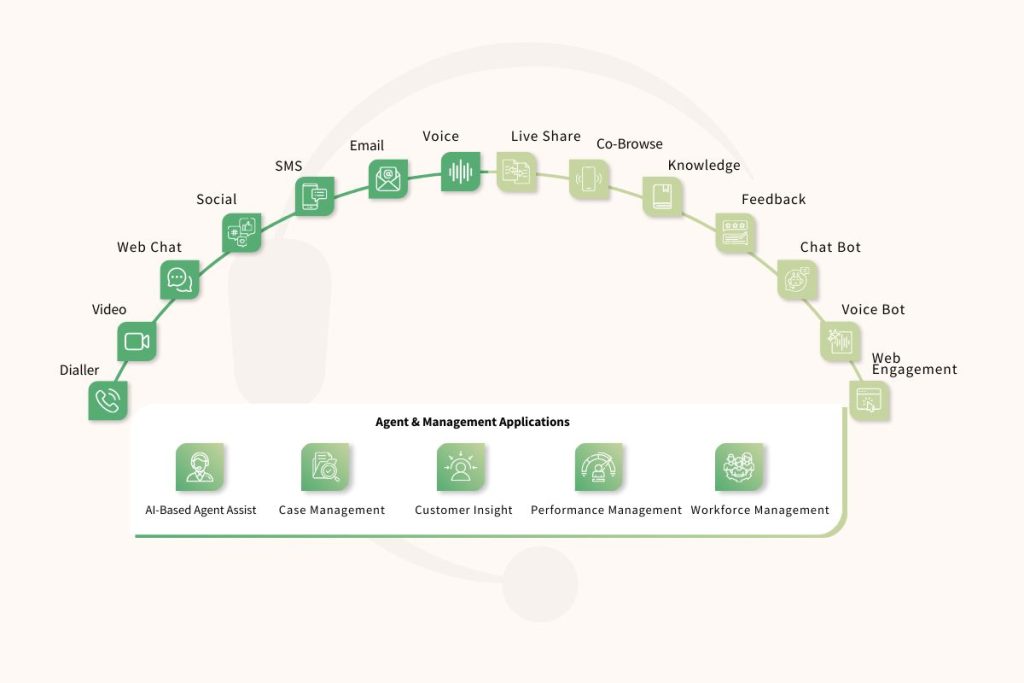
From fragmentation to connection, the approach
Step 1: Map your current situation
Before switching to a new way of working, it’s crucial to know where you stand. Which channels are you already using, where are delays or duplicate actions occurring, and how easily do employees access customer information? An honest analysis will reveal where opportunities lie.
Step 2: Choose a platform that suits your organization
A good omnichannel platform is not only technically robust but also aligns with your daily practices. Consider features like integration with your CRM, clear dashboards, and automation support. It’s also important to comply with privacy regulations, such as GDPR. A well-chosen platform makes the difference between chaos and control.
Step 3: Prepare your team well
The transition to omnichannel isn’t a technical update, but a change in the way you work. Employees need to learn to switch between channels, use new tools, and strike the right tone, whether they’re chatting, calling, or emailing. Training and clear guidelines are therefore essential.
Step 4: Use technology intelligently, but stay human.
Chatbots, automated responses, and smart workflows can be incredibly valuable, especially for frequently asked or simple questions. But customer contact remains human-centered. So always ensure it’s easy to switch to a live conversation. In other words: technology should support, not replace.
Step 5: Keep measuring and improving
Omnichannel operations are never “finished.” Continuous evaluation helps you make adjustments. Track metrics like customer satisfaction, response time, and preferred channels for each target group. This way, you can continue to respond to changing customer needs and prevent processes from becoming fragmented again.
Start with focus, build on
Transitioning to omnichannel doesn’t have to be an all-or-nothing undertaking. Start small, focusing on the channels that matter most to your customers, and expand from there. Success lies in finding the right balance: between technology and human interaction, between process and flexibility.
Would you like to explore how your organization can take the first step towards better omnichannel customer service? Schedule a free consultation, we’d be happy to think along with you!